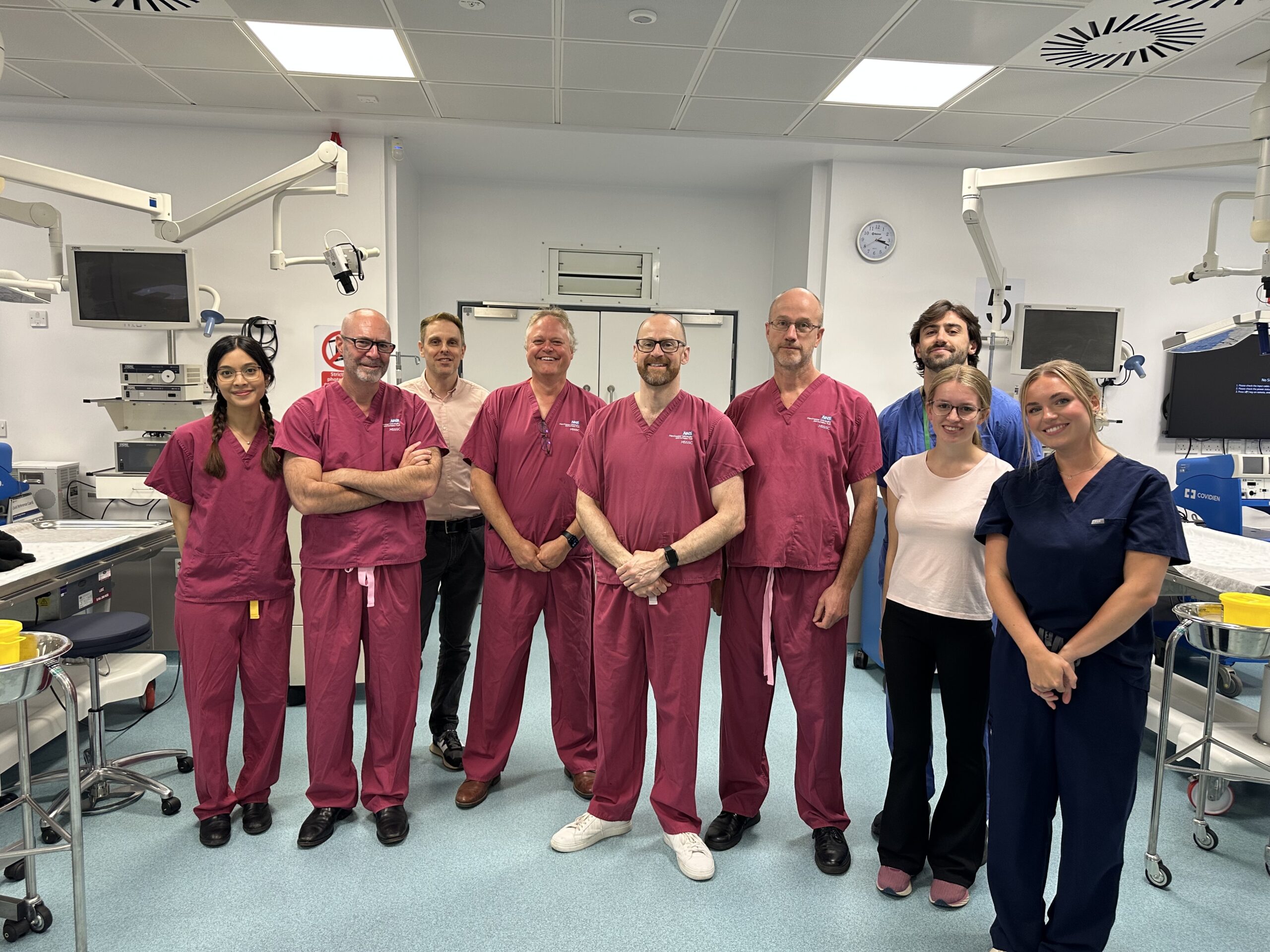
Inside HealthTech Research Blog: Professor Brendan McGrath
Welcome to our Inside HealthTech Research: Careers in HealthTech blog series where we spotlight pioneering researchers from the National Institute for Health and Care Research (NIHR) HealthTech Research Centre (HRC): Emergency and Acute Care.
In this latest edition, Professor Brendan McGrath reflects on his career that has combined frontline patient care, health tech innovation and collaborative research. From establishing the National Tracheostomy Safety Project to developing technologies that restore speech for critically ill patients, Professor McGrath shares how working closely with patients, industry and wider partners has shaped his career and driven innovations with real-world impact.
On paper, I am a Consultant in Anaesthesia and Intensive Care Medicine at Manchester University NHS Foundation Trust (MFT), based at Wythenshawe Hospital and NIHR HRC: Emergency and Acute Care Theme 2 (Secondary Care) Lead. In practice, much of my time is dedicated to research, supported through externally funded grants. That means I have a really varied and interesting job, spanning bedside care through to healthtech device development, teaching and supervision of other researchers.
I qualified in 1997 from Sheffield and spent my first few years working locally before moving to Melbourne, Australia. I was lucky enough to land a great medical rotation thanks to a very tenuous link. My Grandmother’s next door neighbour’s son-in-law just happened to be involved in the resident training program for the St Vincent’s Hospital Group. I had met the Dean of the Medical School on my elective and discussed a shared love of Liverpool Football Club too, which came in handy!
Tip #1 Be nice to everyone you meet – you never know when your paths might cross again!
On my return from Australia, I settled in Manchester and completed more medical rotations and exams. I finally had some solid careers advice and realised that I most enjoyed the challenges of managing acutely unwell people. This led to a career pivot into Anaesthesia and then Intensive Care Medicine, prolonging my training, but allowing me to end up doing the right clinical job for me that I found most interesting, rewarding and challenging. I was appointed as a consultant in 2009.
My first engagements with the medical device industry evolved during the latter years of training. A few colleagues and I set up the National Tracheostomy Safety Project (NTSP), a charity to improve care through the education we felt was lacking. I was surprised how interested industry colleagues were in my views and feedback on anything from the colours of tracheostomy tubes through to the features of high-fidelity training manikins. I quickly realised that industry needed clinicians like me, and I needed them to support some of my ideas. I got to know several reps quite well and was invited to deliver training and attend industry forums to discuss feedback I was gathering from patients and staff. This was the start of a long-lasting collaboration with industry that continues today.
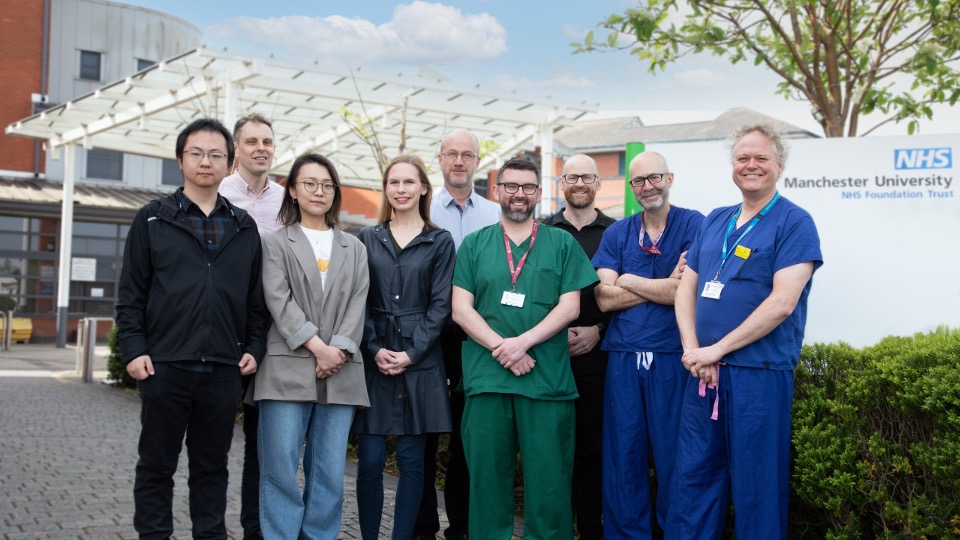
Turning connections into innovation
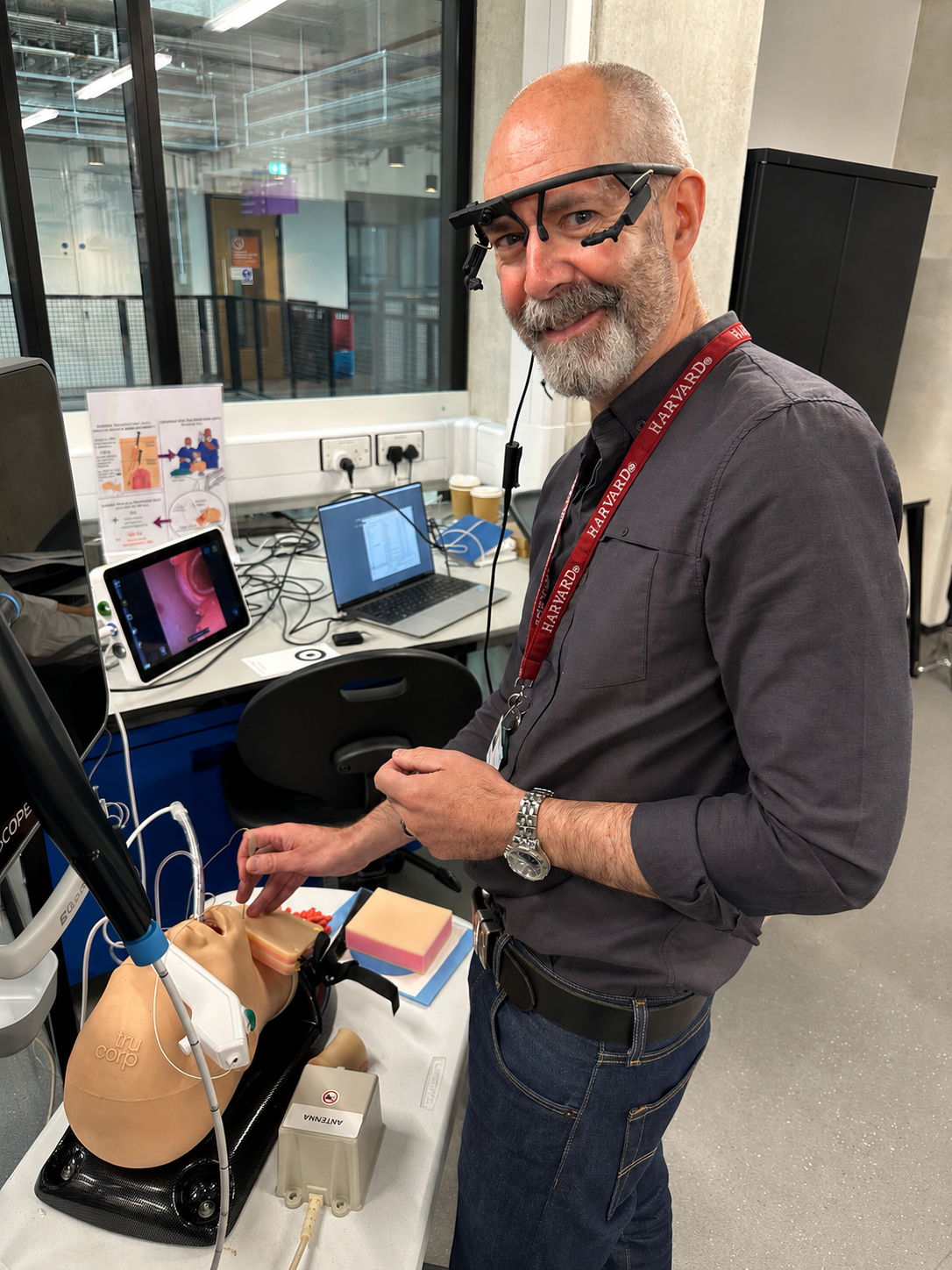
Industry collaborations enabled me to do more with my projects to improve tracheostomy and airway care, especially in the critically ill. My research as a trainee was limited to analysis of airway-related incidents but I began to see how I might be able to get traction on driving changes to improve care by involving patients, families, multidisciplinary colleagues and industry, as we all ultimately shared the same goals.
Practical support for NTSP courses allowed us to collaborate internationally and help establish the Global Tracheostomy (Quality Improvement) Collaborative. This “GTC” got me involved in systems change research and the data you need to make it happen. I was mentored by some very impressive people, and our UK Team became a trailblazer for the GTC, winning awards, obtaining research grants and developing deeper partnerships with the whole spectrum of stakeholders you need to try and improve care in our wonderfully complex healthcare systems.
Tip #2: If you don’t ask, nobody will know that you need help. You never know when your interests might just align perfectly.
Finding a path through research
I did not start off my career aiming to be a researcher but realised that through careful study of the problems and bringing diverse groups together to find solutions and implement them, research was a powerful enabler. Outputs could be documented in papers and shared through international presentations, but as a full-time clinician, I was doing all this unpaid extra work in my own time, which was not ideal. I was fortunate to be guided and mentored by some excellent local colleagues, particularly Professors Paul Dark, Andy Weightman, Sarah Wallace, Tim Felton and Andrew Bentley.
Paul supported me in various Manchester Academic Health Science Centre (MAHSC) applications that gave me time to swap clinical work for research, and we developed our academic team and infrastructure so we could really deliver on the critical care research we wanted to do.
Securing grant money, and therefore time, was the enabler to overcome the challenge of how to actually deliver on the projects I thought were needed. However, I kept giving myself new challenges, such as undertaking a PhD in my mid-40’s!
Tip #3: Make sure you get good careers advice as early as possible! Don’t be shy in asking leaders in the field for help and advice.
Keeping patients at the heart of research
My research with patients, staff and the medical device industry uncovered some key issues for patients. I went from thinking that all we had to do was keep patients safe to realising that what patients with tracheostomies in ICU really wanted was to be able to eat, drink, talk and get out of there as soon as possible. A wise patient told me that “patients assume safe care, but they want high-quality care.”
This patient-centred focus aligned well with industry and my team have secured grant funding for medical device development and prototype testing in the challenging environment of critical care. Hearing a patient speak for the first time in their recovery much earlier than they would have done because of a device we had made, was probably the highlight of my research career so far.
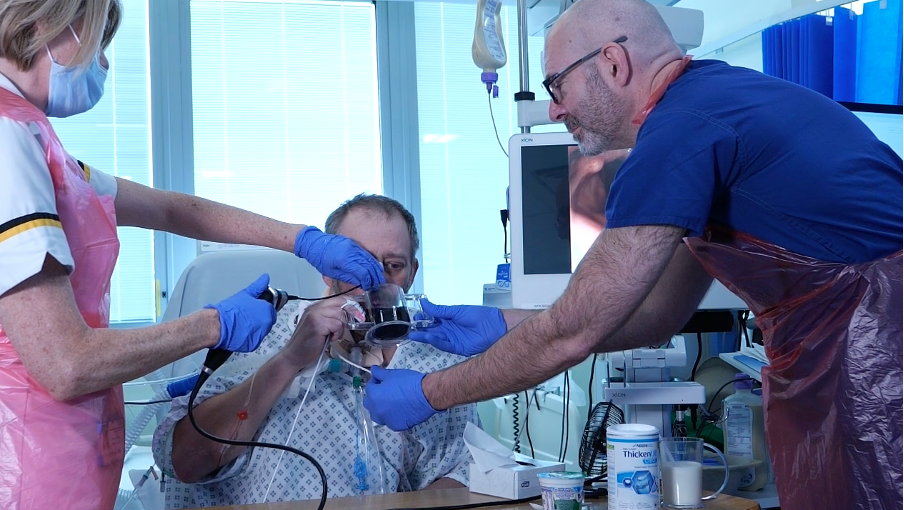
The device called SEA CTV (Safe and Effective Above Cuff Tracheostomy Vocalisation), developed in collaboration with The Manchester Metropolitan University, Designing Science and NTSP, allows patients to start speaking much earlier in their recovery. This led to reductions in anxiety and significant improvements in swallowing which enabled patients to return to eating and drinking sooner. You can see videos of our SEACTV project here.
Tip #4: Talk to your patients about what they want or need. That is why we all get out of bed after all!
My research career and looking ahead
I definitely wouldn’t describe my career as typical – but that’s fine! Although it hasn’t been straightforward, I think by being persistent, interested, patient-focussed, asking for help, and being open to collaborations, I have ended up with a job that is positioned perfectly to improve care for patients through research and device innovations.
The NIHR HRC: Emergency and Acute Care brings together these key ingredients which have underpinned my career journey. That gives us a really strong platform in Manchester to engage and support the healthtech industry for the benefit of our patients, which aligns particularly well with the goals of the HRC.
Looking ahead, Theme 2 will collaborate with innovators to develop technologies that help clinicians deliver better care for acutely unwell patients while empowering patients to recover more quickly and safely. By advancing areas such as continuous monitoring, early warning systems, wearable technologies, diagnostics and predictive analytics, we aim to detect deterioration sooner, enable timely intervention, and reduce the need for hospitalisation and intensive care admission.